
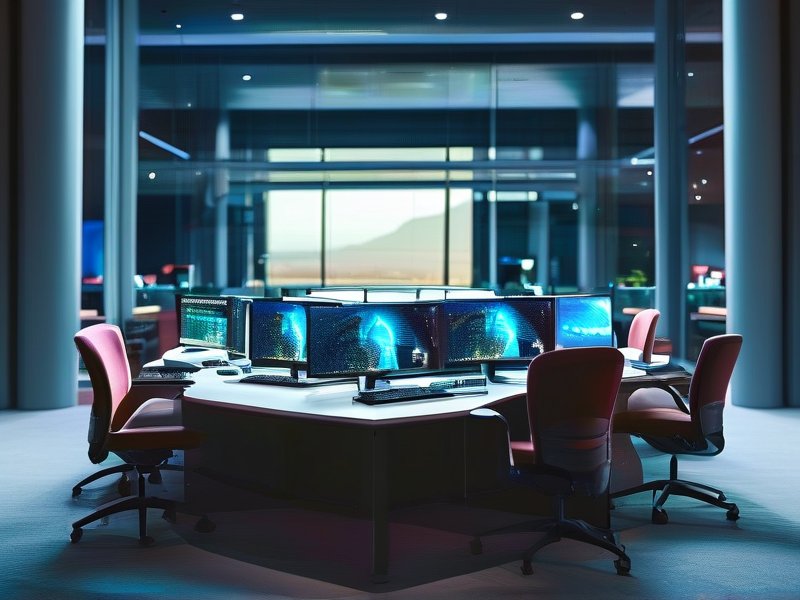
The Evolution of Cloud PCs: Redefining Remote Work
Remote work has become a cornerstone of modern business and personal productivity, but traditional computing infrastructure often struggles to keep pace with the demands of global connectivity. Enter cloud PCs, a transformative technology that delivers full-featured desktop environments over the internet. Unlike virtual desktop infrastructure (VDI) of the past, next-gen cloud PCs combine scalable hardware resources, advanced security, and seamless accessibility to power any device, anywhere. Platforms like Edgenode Cloud PC exemplify this shift, offering users the performance of a high-end workstation without being tethered to a physical machine.
The rise of cloud PCs aligns with trends in edge computing and hybrid work models. By leveraging distributed data centers and optimized latency, these solutions ensure users can access resource-intensive applications—from 4K video editing to AI-driven analytics—without compromising speed or quality. This evolution not only empowers remote teams but also opens doors for industries like education, healthcare, and creative media to operate more flexibly.
Key Advantages of Cloud PCs for Remote Ecosystems
Cloud PCs offer a suite of advantages that traditional laptops and desktops simply cannot match. Here are the top benefits driving their adoption:
- Unmatched Accessibility: With a stable internet connection, users can log into their cloud PC from any device—smartphones, tablets, or thin clients—ensuring consistent productivity across locations.
- Scalability & Cost Efficiency: Businesses avoid upfront hardware costs and can scale resources dynamically. For example, a marketing agency might provision high-end GPUs temporarily for a video rendering project, then downgrade to cost-effective configurations afterward.
- Security & Compliance: Data remains stored in secure cloud environments, reducing the risk of physical device theft. Features like remote wipe and encryption (e.g., Edgenode’s AES-256) ensure compliance with regulations like GDPR.
- Seamless Collaboration: Real-time co-editing tools and integrated file sharing (e.g., via Microsoft 365 integration in Edgenode Cloud PC) enable teams to work simultaneously on projects without version conflicts.
For industries like finance or healthcare, where compliance is critical, cloud PCs allow organizations to centralize data governance while expanding remote access privileges securely. This duality of flexibility and control is a game-changer.
Practical Applications and Implementation Strategies
Cloud PCs aren’t just theoretical solutions—they’re already reshaping how industries operate. Here’s how to maximize their potential:
Industry-Specific Use Cases
- Remote Design & Development: Engineers at automotive firms can access CAD software hosted on a cloud PC, enabling real-time collaboration across continents.
- Education & Training: Universities deploy cloud PCs to provide students with access to specialized software (e.g., Adobe Creative Suite, MATLAB) without requiring on-campus visits.
- Field Service Management: Technicians in the oil and gas sector use cloud PCs to troubleshoot equipment remotely using IoT dashboards and diagnostic tools.
Implementation Best Practices
To ensure success with cloud PCs, consider these actionable tips:
- Select the Right Provider: Compare performance benchmarks and SLAs. Edgenode Cloud PC, for instance, offers customizable configurations with guaranteed uptime, making it ideal for mission-critical workflows.
- Optimize Connectivity: Use low-latency networks or dedicated internet lines for tasks like video conferencing. Consider caching frequently used files locally to reduce lag.
- Leverage Pre-Installed Solutions: Many cloud PC platforms bundle productivity suites (e.g., Microsoft Office, Zoom) or industry-specific software, reducing setup time.
- Train End Users: Provide onboarding sessions to familiarize teams with remote desktop tools and troubleshoot common issues like sound/video configuration.
- Integration with AI/ML tools for predictive resource allocation.
- Support for AR/VR applications to enhance remote training or virtual collaboration.
- Hybrid models combining local processing with cloud resources to handle intermittent connectivity.
Future-Proofing Your Cloud PC Strategy
As edge computing and 5G networks mature, cloud PCs will become even more powerful. Look for providers investing in:
By adopting a forward-thinking approach, organizations can future-proof their infrastructure while maintaining agility in an increasingly distributed world.
Conclusion: The Cloud PC Revolution
Cloud PCs are not just an upgrade—they’re a paradigm shift in how we interact with technology. Whether you’re a freelancer needing a portable powerhouse or a Fortune 500 company scaling globally, solutions like Edgenode Cloud PC deliver the performance, security, and flexibility required to thrive in today’s digital landscape. As the next generation of computing evolves, those who embrace cloud PCs will unlock their full potential—and stay ahead of the curve.