
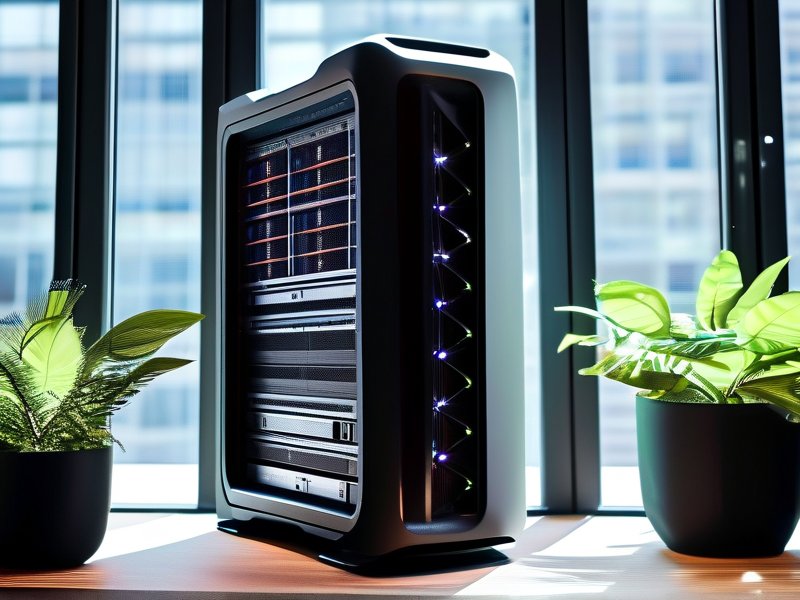
Introduction: The Rise of Edge Computing in Remote Work
In an era where remote work has become a global norm, businesses face unprecedented challenges in maintaining productivity and security. Traditional cloud-based solutions often struggle to deliver the low latency and high performance required for distributed teams. This is where edge computing steps in as a transformative force. By decentralizing data processing to locations closer to end-users, edge computing enables real-time responsiveness while reducing reliance on centralized servers. For remote workers and organizations, this technology is paired with robust Virtual Private Server (VPS) solutions like those offered by vps.html">Edgenode to create secure, scalable, and ultra-fast infrastructure.
How Edge Computing Enhances Remote Work Security
Security remains the top concern for businesses adopting remote work models. Edge computing addresses this by minimizing data exposure through localized processing:
- Reduced Attack Surfaces: By processing data closer to the source, edge computing limits the amount of sensitive information transmitted over networks, reducing vulnerability to cyberattacks.
- Granular Access Control: Edge nodes can implement role-based access controls and multi-factor authentication (MFA) at the network edge, ensuring only authorized users interact with critical systems.
- End-to-End Encryption: Solutions like Edgenode's VPS integrate TLS 1.3 encryption standards, securing data from the edge server to client devices.
Practical Tip: Use geofencing features in edge-enabled VPS platforms to restrict access to specific geographic regions, adding an extra layer of protection against unauthorized access.
Boosting Performance with Edge-Optimized VPS Solutions
The true power of edge computing emerges in its ability to deliver lightning-fast performance for remote teams. Modern VPS providers like Edgenode leverage edge infrastructure to:
- Eliminate Latency Bottlenecks: With servers located in 30+ global edge nodes, Edgenode's VPS ensures sub-20ms response times for distributed teams. This is critical for real-time applications like video conferencing and cloud-based design tools.
- Scalable Resource Allocation: Auto-scaling features adapt to fluctuating workloads, ensuring developers and designers working remotely have consistent access to GPU resources without overprovisioning.
- Hybrid Architecture Flexibility: Combine edge VPS instances with cloud storage to create hybrid systems. For example, run machine learning models locally on edge servers while storing datasets in centralized cloud repositories.
Technical Insight: Edgenode's VPS instances support Kubernetes orchestration, allowing DevOps teams to deploy microservices across multiple edge nodes for optimal load distribution.
Real-World Applications of Edge-Powered Remote Work
Organizations across industries are leveraging edge computing and VPS solutions to redefine remote work capabilities:
- Remote Healthcare: Telemedicine platforms use edge VPS servers to process patient data locally before securely transmitting anonymized results, enabling real-time diagnostics without compromising HIPAA compliance.
- Distributed Development Teams: Software companies deploy edge-based CI/CD pipelines, reducing build times by 40% through localized code compilation and testing environments.
- Augmented Reality Collaboration: Architecture firms use edge-optimized VPS instances to stream high-resolution 3D models with minimal lag, enabling global teams to collaborate in shared AR workspaces.
Implementation Best Practice: When configuring edge VPS environments, prioritize:
- Proximity to user clusters (e.g., choosing US East nodes for North American teams)
- Redundant failover configurations across multiple edge locations
- Regular security audits using built-in firewall analytics tools
Choosing the Right Edge Computing Partner
Not all VPS providers are created equal when it comes to edge computing capabilities. Look for solutions that offer:
- Global Edge Presence: A network of regional data centers ensures low-latency access worldwide. Edgenode's 30+ edge locations cover major tech hubs like Singapore, Frankfurt, and Silicon Valley.
- Customizable Performance: Choose from bare-metal servers, GPU instances, or container-optimized systems tailored to your workload. Edgenode's VPS plans start at $5/month with burstable CPU credits.
- Enterprise-Grade Security: Look for ISO 27001 certification, DDoS protection, and compliance with GDPR/CCPA regulations.
Cost Optimization Strategy: Use Edgenode's hourly billing model for short-term projects while reserving dedicated instances for 24/7 critical operations.
Future-Proofing Remote Work Infrastructure
As hybrid work models become permanent, forward-thinking organizations are investing in edge computing ecosystems. Key trends to watch include:
- AI-Powered Edge Management: Machine learning algorithms will autonomously optimize server resources and security protocols.
- 5G Integration: Next-gen networks will enable ultra-low latency (<1ms) for edge deployments in mobile workforces.
- Quantum-Ready Encryption: Leading providers like Edgenode are already preparing edge servers to withstand quantum computing threats.
Final Recommendation: Begin with a proof-of-concept using a free tier VPS instance to test edge computing benefits before full-scale deployment. Monitor metrics like application response time and bandwidth usage to validate performance gains.
In conclusion, edge computing paired with advanced VPS solutions like those from Edgenode represents the future of secure, high-performance remote work infrastructure. By strategically leveraging edge capabilities, organizations can empower distributed teams to collaborate seamlessly while maintaining enterprise-grade security and performance standards.