
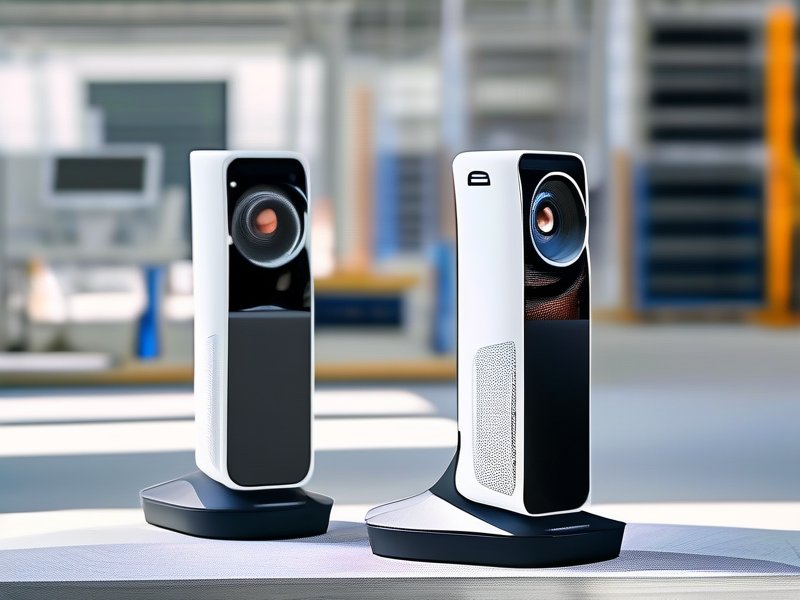
Introduction: The Evolution of Remote Access in the Mobile Era
In an increasingly interconnected world, remote access technologies have become the backbone of modern productivity, communication, and innovation. However, traditional cloud-based solutions often struggle with latency, scalability, and reliability—critical barriers to seamless mobile experiences. Enter edge computing, a paradigm shift that brings data processing closer to end-users, enabling real-time interactions and enhanced performance. At the forefront of this transformation is the cloud phone—a revolutionary tool that leverages edge technology to redefine remote access. Platforms like EdgeNode’s cloud phone exemplify how edge-driven solutions are bridging the gap between demand and delivery in mobile connectivity.
1. The Rise of Edge-Driven Remote Access: Breaking Down Barriers
Edge computing addresses the limitations of centralized cloud infrastructure by decentralizing data processing. Instead of relying on distant servers, edge nodes—distributed computing resources—process and analyze data locally, drastically reducing latency and improving response times. For mobile users, this means faster access to applications, real-time collaboration tools, and uninterrupted connectivity even in low-bandwidth environments.
Key Advantages of Edge-Driven Remote Access:
- Ultra-Low Latency: Edge nodes reduce the distance data must travel, enabling real-time interactions (e.g., live video streaming without buffering).
- Scalability: Enterprises can dynamically allocate edge resources to meet fluctuating demand, from remote work surges to IoT device management.
- Cost Efficiency: Reduced reliance on high-cost cloud infrastructure and bandwidth optimization lower operational expenses.
The cloud phone embodies these benefits. By virtualizing mobile services on edge nodes, it eliminates the need for physical devices, allowing users to access phone numbers, messaging, and calling features from any internet-connected device. For example, remote workers can seamlessly switch between their laptop, tablet, or smartphone without missing a call or message—ideal for hybrid work environments.
2. Transforming Industries: Real-World Applications of Edge-Powered Cloud Phones
Edge computing and cloud phones are not just theoretical concepts; they’re already reshaping industries. Here are three transformative use cases:
Remote Work and Collaboration
Companies like EdgeNode enable employees to use cloud phones for unified communications. Imagine a marketing team in different time zones collaborating via a centralized cloud-based phone system, with all calls, voicemails, and contact lists accessible from any device. This eliminates the need for physical desk phones while ensuring uninterrupted connectivity.
Healthcare and Telemedicine
In healthcare, edge-powered cloud phones support telemedicine platforms. Doctors can remotely access patient records, schedule virtual consultations, and share high-resolution diagnostic images without compromising on speed or security. For instance, rural clinics can use cloud phones to connect with specialists in real time, bypassing the limitations of outdated hardware.
Education and Remote Learning
Educators and students benefit from edge-driven tools that ensure stable video conferencing and instant messaging. Universities deploying cloud phones can provide every student with a dedicated virtual number for campus services, while instructors use these tools to manage class rosters and communicate with parents—all via a centralized platform.
Tip for Implementation: When adopting edge technology, prioritize providers with robust security protocols (e.g., end-to-end encryption) and flexible scalability to accommodate future growth. Platforms like EdgeNode’s cloud phone offer customizable solutions tailored to industry-specific needs.
3. Navigating the Future: Trends and Best Practices
As edge computing matures, new trends are emerging:
Integration with AI and Machine Learning
Edge nodes will increasingly incorporate AI to automate tasks such as predictive maintenance for IoT devices or real-time language translation in cloud phone calls. For example, a customer service team might use AI-enhanced cloud phones to instantly translate inbound calls, improving global outreach.
5G and Edge Synergy
The rollout of 5G networks will amplify edge computing’s potential by enabling ultra-fast data transfer. This combination could power immersive experiences like augmented reality (AR) training modules for remote workers, accessed seamlessly via cloud phones.
Security and Privacy
As edge infrastructure expands, data security remains critical. Organizations must adopt zero-trust architectures and ensure edge nodes comply with regional regulations (e.g., GDPR). Regular audits and encryption are non-negotiable for maintaining trust.
Practical Tip: Start small by piloting edge solutions in a single department or use case. Monitor performance metrics like latency and user satisfaction before scaling enterprise-wide.
Conclusion: The Future Is at the Edge
Edge computing and innovations like cloud phones are not incremental upgrades—they’re foundational shifts in how we interact with technology. By reducing latency, enhancing scalability, and enabling seamless mobility, edge-driven solutions empower businesses and individuals to thrive in a hyper-connected world. Whether it’s a doctor in a remote clinic, a teacher in a digital classroom, or a remote team collaborating across continents, the edge is where the next wave of innovation lives. Embrace these technologies, and you don’t just keep up with the future—you help build it.