
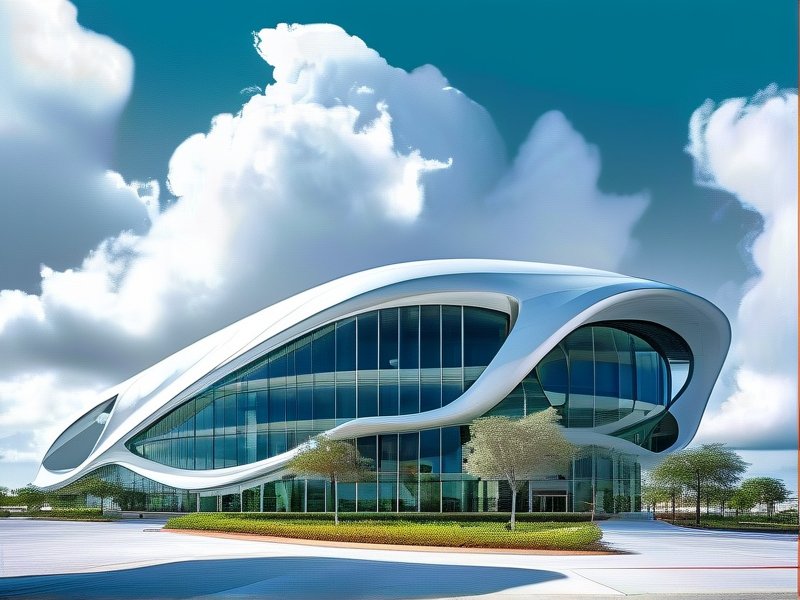
Why Hyper-Flexible Cloud Infrastructure Matters in Today’s Digital Landscape
Rapid technological advancements and shifting market demands have made adaptability a critical component of business success. To stay competitive in the digital age, modern enterprises must invest in solutions that can evolve alongside their needs. Hyper-flexible cloud infrastructure represents the next frontier in IT strategy, offering unparalleled scalability, agility, and cost efficiency. By embracing cloud-based architectures, businesses can future-proof their operations against unforeseen challenges while unlocking new opportunities for growth. At the heart of this transformation lies VPS hosting, a cornerstone technology that empowers organizations to harness the full potential of cloud computing.
The traditional IT infrastructure model—reliant on physical servers and rigid frameworks—often struggles to keep pace with dynamic business requirements. Hyper-flexible cloud solutions, by contrast, are designed to adapt in real time to fluctuations in demand, technological innovations, and evolving customer expectations. This adaptability isn’t just about keeping up; it’s about staying ahead. For instance, a retail company experiencing a sudden surge in holiday sales can instantly scale resources to avoid downtime, while a SaaS startup can experiment with new features without over-investing in infrastructure upfront.
Key Features of Hyper-Flexible Cloud Infrastructure
To future-proof your business, hyper-flexible cloud infrastructure must deliver on three core pillars:
- Scalability: The ability to scale resources (compute, storage, bandwidth) up or down in real time, ensuring optimal performance without overprovisioning. For example, an e-commerce platform might double its compute power during flash sales and return to baseline afterward.
- Automation: Intelligent systems that automate deployment, monitoring, and optimization, reducing human error and operational costs. Machine learning-driven tools can predict traffic spikes and adjust resources preemptively.
- Agility: Support for hybrid or multi-cloud environments, allowing businesses to deploy applications where they work best—whether on-premises, in a public cloud, or across multiple providers. This flexibility ensures resilience against vendor lock-in and outages.
Consider a healthcare provider migrating patient records to the cloud. A hyper-flexible infrastructure enables seamless integration with legacy systems, secure data storage, and compliance with regulations like HIPAA—without sacrificing performance or scalability.
Hyper-Flexible Cloud Solutions in Action: The Role of VPS Hosting
While hyper-flexible cloud infrastructure encompasses a broad ecosystem of technologies, one of its most accessible and powerful components is Virtual Private Server (VPS) hosting. A VPS allows businesses to rent dedicated server resources in a shared environment, offering a balance between cost efficiency and control. Unlike traditional shared hosting (which limits customization) or dedicated servers (which are costly and static), VPS hosting provides:
- Customization: Full root access to configure software, security protocols, and applications tailored to specific business needs. For example, a developer can build a custom WordPress setup with optimized PHP versions and caching plugins.
- Scalability: The ability to upgrade or downgrade resources (CPU cores, RAM, storage) on demand. A startup experiencing rapid growth can scale its VPS plan monthly instead of committing to a multi-year contract.
- Cost Efficiency: Pay only for the resources you use, eliminating the waste of underutilized dedicated servers. This model is ideal for small businesses or projects with fluctuating workloads.
For businesses seeking a reliable VPS hosting solution, platforms like Edgenode VPS Hosting offer robust, scalable, and customizable options tailored to diverse needs. Their infrastructure combines cutting-edge hardware with flexible management tools, enabling businesses to deploy, scale, and monitor their environments effortlessly. For instance, a digital marketing agency might choose Edgenode’s VPS to host client websites, manage email campaigns, and run analytics tools—all within a single, cost-optimized ecosystem.
Building a Future-Proof Strategy with Cloud Solutions
To leverage hyper-flexible cloud infrastructure effectively, businesses should adopt a structured approach:
- Assess Current Needs and Future Goals: Identify pain points in your existing infrastructure (e.g., slow load times during peak hours) and align solutions with long-term objectives (e.g., expanding to new markets).
- Adopt Microservices Architecture: Break down monolithic applications into modular components, each hosted on separate servers or cloud instances. This improves scalability and reduces downtime risks.
- Hybrid Cloud Integration: Deploy critical applications on-premises while using public cloud resources for non-sensitive workloads. This hybrid model ensures compliance while lowering costs.
- Invest in Automation Tools: Use cloud orchestration platforms (e.g., Kubernetes) to automate deployment, scaling, and security updates. This minimizes manual intervention and human error.
- Monitor and Optimize Continuously: Implement real-time monitoring tools to track performance metrics and identify optimization opportunities. Regular audits ensure your infrastructure stays aligned with evolving needs.
A practical example is a fintech company that uses VPS hosting to run its core transactional systems while leveraging public cloud storage for customer data backups. By automating routine tasks and scaling resources seasonally, the company reduced operational costs by 30% while improving uptime to 99.99%.
Conclusion: Embrace Hyper-Flexible Cloud Infrastructure Today
In a world where disruption is the norm, businesses that fail to adapt risk obsolescence. Hyper-flexible cloud infrastructure—powered by VPS hosting and intelligent automation—offers the agility and resilience needed to thrive in an unpredictable market. Whether you’re scaling a startup, modernizing legacy systems, or preparing for future innovations, investing in scalable cloud solutions ensures your business remains agile, efficient, and ready for whatever lies ahead.
Start your journey today by exploring solutions like Edgenode VPS Hosting, which combines enterprise-grade performance with the simplicity of self-management. The future of your business depends on it.