
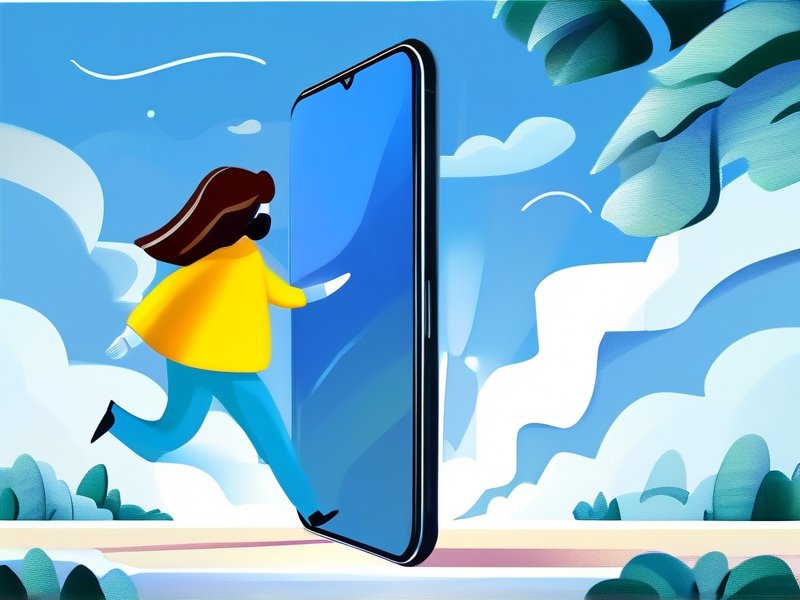
Introduction: The Rise of Edge-Powered Computing in Mobile Ecosystems
The rapid evolution of mobile technology has redefined how we interact with digital services, but traditional smartphones face inherent limitations in processing power, storage capacity, and battery life. Enter edge-powered computing—a paradigm shift that decouples app functionality from physical hardware constraints. This revolution is epitomized by cloud phones, virtual mobile environments hosted on distributed edge servers. As platforms like Edgenode Cloud Phone demonstrate, this technology unlocks unprecedented flexibility, enabling users to access high-performance mobile applications without relying on device specifications.
Core Concepts: How Edge Computing Empowers Mobile Freedom
Edge-powered solutions leverage three key technological advancements to redefine mobile computing:
- Decentralized Architecture: By distributing computational tasks across geographically dispersed edge nodes, cloud phone systems reduce latency and ensure consistent performance even in low-bandwidth environments.
- Virtualized Environments: Each user gains access to a dedicated virtual machine replicating a full Android/iOS ecosystem, allowing simultaneous app execution independent of the local device's hardware.
- Real-Time Synchronization: Advanced protocols ensure seamless interaction between the virtual environment and local devices, maintaining app states across multiple sessions and devices.
These innovations address long-standing pain points: gamers can run AAA mobile titles on entry-level phones, businesses manage multiple social media accounts without physical device limits, and developers test applications in isolated environments without risking hardware compatibility issues.
Practical Applications: Unlocking Mobile Potential
1. Gaming & High-Performance Workloads
Cloud phones shine in resource-intensive scenarios. For example, Edgenode's solution enables players to stream graphically demanding games like "Call of Duty Mobile" at 4K resolution using a basic smartphone, while the actual rendering occurs on powerful edge servers. This approach reduces battery drain by up to 60% and eliminates heating issues.
2. Business & Productivity Solutions
Enterprises benefit from multi-account management capabilities. A social media manager can run five Instagram accounts simultaneously in separate virtual instances, avoiding platform detection systems. Real-world use cases include:
- Customer service teams managing multiple chat apps without app conflicts
- Marketing departments testing ad campaigns across different OS versions
- Remote teams accessing company apps on personal devices securely
3. Developer & Innovation Environments
For creators, edge-powered cloud phones provide sandboxed testing environments. Developers can:
- Test apps across hundreds of virtual device configurations
- Simulate network conditions to optimize app performance
- Isolate experimental code from production environments
Edgenode's platform even offers API integrations for automated testing workflows, accelerating development cycles by 40% according to user testimonials.
Choosing the Right Edge-Powered Solution
When evaluating cloud phone services, consider these critical factors:
Performance Metrics
- Look for solutions with dedicated GPU instances for graphics-heavy tasks
- Check latency benchmarks (<50ms ideal for real-time apps)
- Verify storage options (at least 64GB for intensive workflows)
Security Features
- End-to-end encryption for data in transit
- Multi-factor authentication for account access
- Isolated virtual environments to prevent cross-instance breaches
User Experience Considerations
Evaluate:
- App compatibility with common productivity tools
- Screen mirroring quality (1080p+ recommended)
- Ability to share files between virtual and physical devices
Edgenode stands out through its customizable resource allocation, allowing users to scale CPU cores and RAM dynamically based on task demands. Their 7-day free trial lets users test these features risk-free.
Future Implications: The Horizon of Edge-Powered Computing
As 5G networks mature and edge infrastructure expands, we can anticipate:
- AI-Accelerated Apps: Real-time language translation and object recognition becoming universally accessible via edge-enhanced cloud phones
- Extended Reality (XR) Integration: Cloud-rendered AR/VR experiences delivered to standard smartphones
- Decentralized Ecosystems: Peer-to-peer app markets operating on distributed edge networks
For early adopters, platforms like Edgenode represent not just improved functionality, but a glimpse into a future where mobile devices become universal interfaces to a limitless computational environment.
Conclusion: Embracing the Edge-Driven Mobile Revolution
The convergence of edge computing and cloud phone technology marks a transformative milestone in mobile computing. By liberating applications from hardware constraints, these solutions empower users to:
- Maximize device utility across all hardware tiers
- Operate efficiently in resource-demanding scenarios
- Experiment with innovation without physical limitations
As we move deeper into this edge-powered era, the mantra "apps without limits" isn't just aspirational—it's becoming the new standard of mobile capability. For those ready to embrace this future, services like Edgenode Cloud Phone offer an accessible gateway to this next evolution in mobile freedom.