
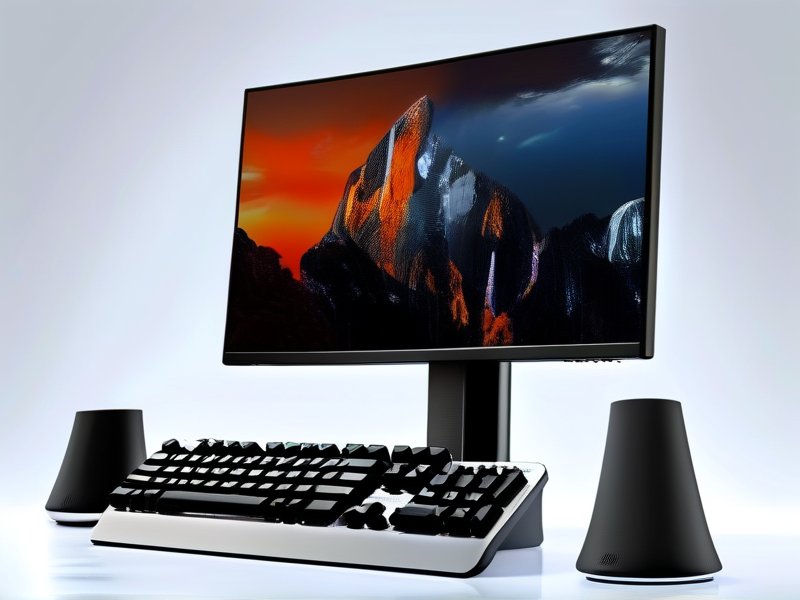
Introduction: The Evolution of Remote Work in the Digital Age
In an era where global connectivity has become the backbone of modern business operations, remote work has evolved from a temporary necessity to a strategic imperative. The rise of cloud-based technologies has further accelerated this transformation, with next-gen remote workstations emerging as a game-changing solution. At the heart of this evolution lies the cloud PC, a powerful virtual computing environment accessible via the internet. Solutions like EdgeNode Cloud PCs exemplify this trend, offering users seamless access to high-performance workspaces that transcend physical limitations.
Traditional remote setups often struggle with latency issues, hardware limitations, and security concerns. Next-gen remote workstations address these challenges by leveraging advancements in edge computing, AI-driven resource allocation, and ultra-fast network infrastructure. This article explores how these innovations are reshaping productivity, the key features defining this new generation of cloud PCs, and actionable strategies for businesses and individuals to harness their potential.
Core Features of Next-Gen Cloud PCs
Modern cloud PCs represent a quantum leap over legacy virtual desktop infrastructure (VDI) solutions. Their transformative capabilities stem from four core advancements:
- Edge-Enhanced Performance: By distributing processing power closer to end-users through edge nodes, these systems minimize latency. For instance, real-time rendering of 4K video editing software becomes feasible even on low-spec devices.
- AI-Powered Optimization: Machine learning algorithms dynamically allocate resources based on user behavior. During peak hours, a designer working with CAD software might automatically receive prioritized GPU resources without manual intervention.
- Seamless Cross-Platform Compatibility: Users can access their cloud workspaces from Chromebooks, iOS devices, or even smart TVs. This flexibility is critical for hybrid teams relying on diverse hardware ecosystems.
- Granular Security Controls: Features like encrypted session isolation and conditional access policies ensure sensitive data remains protected. For example, financial analysts can securely access proprietary datasets without risking corporate network breaches.
These innovations are already delivering tangible benefits. A recent case study by EdgeNode showed a 40% reduction in downtime for remote engineering teams using their cloud PCs, thanks to automated failover mechanisms and real-time collaboration tools integrated into the platform.
Implementing Cloud PCs for Maximum Impact
Successfully adopting cloud workstation technology requires strategic planning. Here are actionable recommendations for organizations aiming to capitalize on this trend:
1. Conduct a Resource Audit
Begin by assessing current workflows and identifying resource-heavy applications. A marketing agency might discover that 80% of its compute needs stem from video rendering and AI analytics. This insight helps prioritize which applications should be virtualized first.
2. Choose Scalable Infrastructure
Select a provider offering elastic resource scaling. EdgeNode's platform, for example, allows businesses to burst compute capacity during peak project phases and scale back during quieter periods, optimizing cost efficiency.
3. Invest in End-User Training
Implement gamified training modules to familiarize teams with cloud workstation interfaces. Simulated scenarios like troubleshooting connection issues or optimizing settings for AR/VR applications can build user confidence.
4. Leverage Hybrid Integration
Ensure seamless interoperability with existing tools. Configuring your cloud PC to work with Microsoft Teams, Slack, and Salesforce creates a unified productivity ecosystem. EdgeNode customers have reported 30% faster project onboarding due to these integrations.
5. Prioritize Security by Design
Implement zero-trust architectures where every session requires multi-factor authentication. Regularly update security protocols to address emerging threats like AI-generated phishing attacks.
For individuals, the benefits are equally compelling. A freelance graphic designer using a cloud PC can:
- Access their full Adobe suite from any device
- Collaborate in real-time with clients via shared workspaces
- Save $500+ annually by avoiding hardware upgrades
Future Trajectory and Industry Implications
As 5G and quantum computing mature, next-gen cloud PCs will become even more transformative. Emerging trends include:
- AI-Powered Personalization: Workspaces that adapt in real-time to user preferences and task requirements
- Immersive Collaboration: Spatial computing integration enabling holographic meetings and 3D design reviews
- Sustainability Gains: Reduced need for physical hardware lowers e-waste, with carbon footprint reductions reported at 35% for early adopters
Enterprises should prepare for this evolution by:
- Investing in cloud-native software development
- Building partnerships with edge computing providers
- Developing policies for AI-assisted workforce management
Conclusion: Embracing the Cloud PC Revolution
Next-gen remote workstations powered by cloud PCs are not just an upgrade—they’re a foundational shift in how we approach digital productivity. By combining cutting-edge technology with forward-thinking implementation strategies, organizations can unlock unprecedented agility and innovation. As we move closer to a fully decentralized workforce, platforms like EdgeNode Cloud PCs will continue to redefine what’s possible in remote computing, turning today’s visions of seamless collaboration into tomorrow’s everyday reality.