
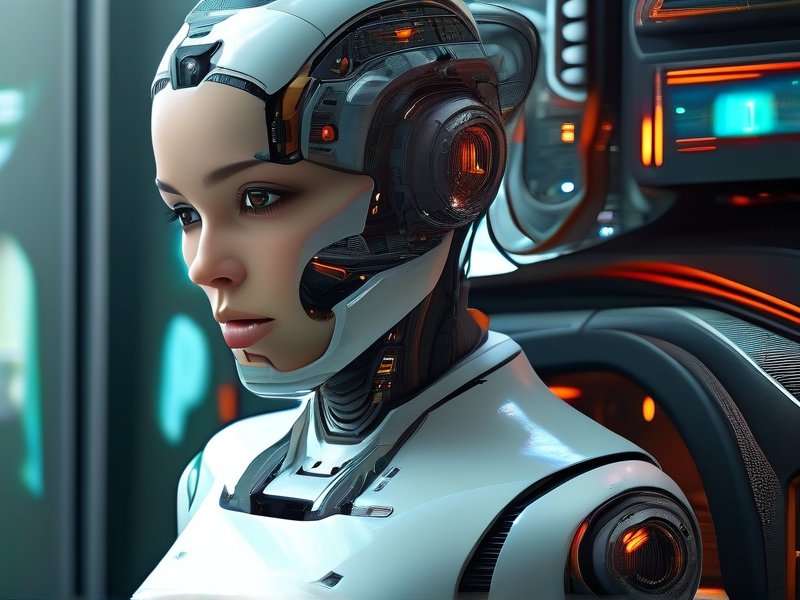
Introduction: The Convergence of AI and Edge Computing
The rapid evolution of technology is reshaping how businesses and industries process data. At the forefront of this transformation lies the intersection of edge computing and AI-driven innovation. By pushing intelligence to the network frontier—where data is generated and consumed—organizations can achieve real-time decision-making, enhanced efficiency, and unprecedented scalability. Central to this revolution is Edgenode (edgenode.cc/">https://www.edgenode.cc/), a platform that empowers enterprises to deploy AI seamlessly at the edge of their networks.
Edge computing moves processing power closer to the source of data, eliminating latency caused by cloud-based systems. Pairing this with AI unlocks capabilities like predictive maintenance, autonomous robotics, and real-time analytics. This article explores the transformative potential of AI at the edge, its practical applications, and how Edgenode enables businesses to harness this power effectively.
Technical Foundations: How AI Thrives at the Edge
To understand AI’s potential at the edge, consider its core advantages over traditional cloud-centric models:
- Latency Reduction: Edge nodes process data locally, reducing round-trip delays. For example, autonomous vehicles require sub-millisecond response times to avoid collisions—a challenge only edge computing can address.
- Bandwidth Efficiency: By analyzing data on-site, edge nodes send only critical insights to the cloud, minimizing network congestion. This is crucial for IoT deployments involving thousands of sensors.
- Privacy and Security: Sensitive data stays localized, reducing exposure to cyberattacks. Healthcare providers, for instance, can analyze patient data at the edge without breaching HIPAA regulations.
- Scalability: Edge infrastructure can dynamically scale to meet demand, whether managing a smart city’s traffic grid or a manufacturing plant’s production line.
Edgenode exemplifies these principles through its modular architecture. Its platform allows developers to deploy lightweight AI models tailored to specific edge devices. For instance, a retail store might use Edgenode to run object-detection models on security cameras without overloading central servers.
Industry Applications: Real-World Impact Across Sectors
AI-driven edge computing is already transforming industries in tangible ways. Below are three key sectors and their Edgenode-enabled innovations:
Manufacturing: Predictive Maintenance Meets Real-Time Quality Control
In factories, sensors embedded in machinery generate terabytes of vibration, temperature, and pressure data. By deploying Edgenode’s anomaly detection models on-site, engineers can:
- Predict equipment failures before they occur, reducing downtime by up to 30%.
- Inspect product quality using computer vision in real time, eliminating defective parts before they enter the supply chain.
One automotive client reduced warranty claims by 18% after implementing edge-based quality assurance systems.
Healthcare: Remote Patient Monitoring and Emergency Response
Edge AI enables lifesaving applications like:
- Wearable Health Monitors: Devices using Edgenode’s lightweight models can detect irregular heart rhythms locally and alert clinicians instantly.
- Telemedicine Enhancements: Rural clinics use edge-powered telepresence robots with real-time language translation and diagnostic imaging analysis.
In a recent trial, an Edgenode-powered ICU system reduced critical patient alert delays by 90% compared to cloud-based alternatives.
Smart Cities: Traffic Management and Public Safety
Cities worldwide are leveraging edge AI to:
- Optimize traffic flow using real-time camera feeds and adaptive traffic light systems.
- Deploy AI-powered surveillance cameras that detect emergencies like fires or crowd surges within seconds.
Edgenode’s scalability helped a major metropolis reduce emergency response times by integrating 50,000+ edge devices across its infrastructure.
Challenges and the Path Forward
While the potential is vast, edge AI adoption faces hurdles:
- Data Silos: Legacy systems often lack interoperability. Edgenode’s open API framework helps bridge these gaps by standardizing data formats across devices.
- Edge Device Limitations: Limited compute power on IoT sensors requires model optimization. Edgenode’s AutoML tools automatically reduce model size by up to 70% without sacrificing accuracy.
- Security Risks: Distributed systems increase attack surfaces. The platform’s federated learning protocols allow model training without exposing raw data, adhering to GDPR and other regulations.
Looking ahead, the convergence of 5G and AI will further accelerate edge innovation. Edgenode is already preparing for this future by integrating edge-native AI with quantum computing readiness features, ensuring its platform remains at the cutting edge of technological progress.
Conclusion: Embracing the Edge-Driven Future
AI at the network frontier isn’t just a technological shift—it’s a paradigm shift in how businesses create value. By leveraging platforms like Edgenode, organizations can:
- Drive actionable insights from real-time data.
- Create resilient systems capable of handling exponential data growth.
- Deliver unprecedented customer experiences through ultra-low-latency services.
As edge computing and AI continue to evolve, early adopters will dominate their markets. The question isn’t whether to embrace this revolution—it’s how quickly you can act. Edgenode provides the tools to turn edge-driven innovation from theory into transformative practice.