
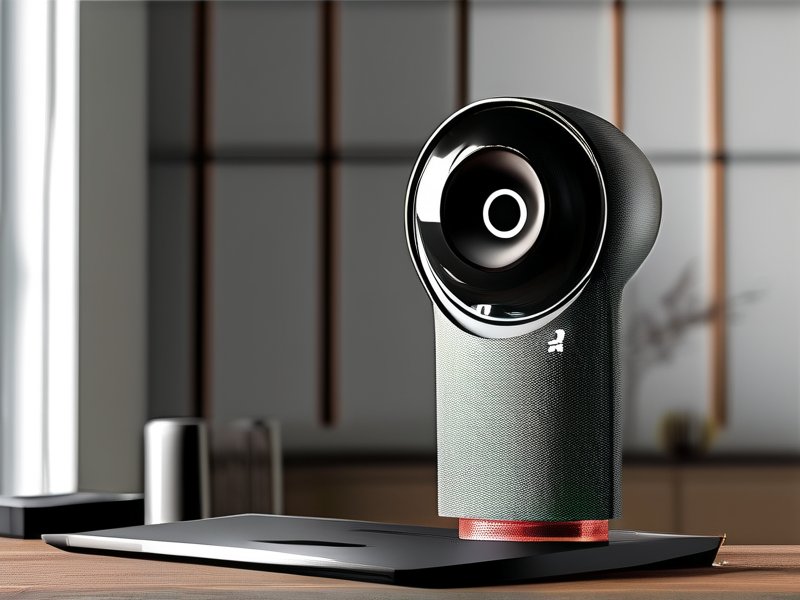
Introduction: The Rise of Cloud-Based Virtual Devices
In an era where remote work, hybrid environments, and digital transformation dominate global industries, the demand for flexible, scalable, and powerful computing solutions has never been higher. Enter next-gen virtual devices, particularly cloud phones, which are revolutionizing how individuals and organizations access resources, collaborate, and harness computing power. Unlike traditional physical devices, these virtual systems leverage cloud infrastructure to deliver on-demand performance, security, and agility. At the forefront of this innovation is EdgeNode’s cloud phone, a pioneering platform that exemplifies the potential of this technology.
This article explores how cloud-based virtual devices are redefining remote access and computing power, their key features, practical applications, and the future landscape they’re shaping.
1. The Evolution of Virtual Devices and Cloud Computing
Virtual devices have existed for decades in the form of remote desktops and virtual machines (VMs), but their capabilities have been limited by hardware constraints and network latency. The advent of 5G connectivity, edge computing, and advancements in cloud infrastructure has now unlocked a new generation of virtual devices that are faster, more powerful, and seamlessly integrated with modern workflows.
- From Legacy Systems to Cloud-Native Solutions: Traditional VMs required users to rely on local hardware or centralized servers, creating bottlenecks and scalability issues. Cloud-based virtual devices shift processing power to distributed data centers, enabling users to access resources from anywhere, anytime.
- Edge Computing Integration: By combining cloud computing with edge nodes, next-gen virtual devices reduce latency and improve real-time performance. For example, a developer testing mobile apps on a cloud phone can leverage edge servers located closer to their physical location, minimizing lag and enhancing responsiveness.
- 5G’s Role in Democratizing Access: With 5G offering ultra-low latency and high bandwidth, even resource-heavy tasks—like rendering 4K video or running AI-driven applications—can be offloaded to the cloud, freeing up local devices from strain.
These advancements have turned cloud-based virtual devices into a cornerstone of modern remote work, enabling teams to collaborate, compute, and create without the limitations of physical hardware.
2. Key Features and Benefits of Next-Gen Cloud Phones
Cloud phones, such as those offered by EdgeNode, exemplify the next wave of virtual devices. Below are their standout features and the benefits they deliver:
- On-Demand Computing Power: Users can dynamically allocate CPU, GPU, and RAM resources to match their needs. A graphic designer might boost their cloud phone’s GPU for 3D modeling tasks, then scale down to save costs when working on simpler projects.
- Enhanced Security: Data resides in secure, encrypted cloud environments, eliminating risks associated with lost or stolen physical devices. Features like air-gapped networks and role-based access control ensure only authorized users can interact with sensitive information.
- Cost Efficiency: Businesses avoid upfront hardware costs and reduce maintenance expenses. Instead of purchasing multiple devices for testing or development, teams can provision cloud phones as needed, paying only for usage.
- Cross-Platform Compatibility: Cloud phones often support multiple operating systems (e.g., Android, iOS, and Linux) and can emulate different device types, making them ideal for app testing or cross-platform development.
- Environmental Impact: By reducing reliance on physical hardware, cloud phones contribute to lower e-waste and energy consumption. Data centers optimized for efficiency further amplify this benefit.
For example, a startup developing a mobile app can use EdgeNode’s cloud phone to test their software on virtual devices running various OS versions without needing a physical device farm. This slashes costs and accelerates development cycles.
3. Practical Applications and Future Trends
Next-gen virtual devices, particularly cloud phones, are already transforming industries. Here’s how:
- Remote Work and Collaboration: Teams can access fully functional virtual workstations or phones from anywhere, ensuring consistent performance whether working from home, a coffee shop, or a co-working space.
- Mobile App Development: Developers can deploy cloud phones to test apps across multiple virtual devices simultaneously, streamlining quality assurance processes.
- Gaming and Content Creation: Gamers can stream high-end games to low-spec devices using cloud-based GPUs. Similarly, content creators can offload rendering tasks to the cloud, enabling faster turnaround times.
- Enterprise Use Cases: Companies can provision virtual devices for temporary staff or seasonal projects, scaling resources up or down based on demand.
Looking ahead, the integration of AI and machine learning into cloud phones promises even greater personalization. Imagine a cloud phone that automatically optimizes settings based on user behavior or predicts computational needs in real time. Additionally, as IoT devices proliferate, cloud phones could serve as central hubs for managing smart home ecosystems or industrial IoT networks.
Conclusion: Embracing the Cloud Phone Revolution
Next-gen virtual devices like cloud phones are not just incremental upgrades—they’re a paradigm shift in how we interact with technology. By offering unparalleled flexibility, security, and performance, they empower individuals and organizations to work smarter, innovate faster, and adapt to an increasingly digitized world. Platforms like EdgeNode’s cloud phone demonstrate that the future of computing is not tied to physical hardware but to the boundless potential of cloud infrastructure. As adoption grows, one thing is clear: the cloud phone revolution is here, and it’s redefining the very essence of remote access and computing power.